
Quick answer: E-commerce startups can achieve robust and cost-effective security by implementing foundational measures like strong passwords and regular updates, leveraging built-in platform features, and making smart, targeted investments in essential tools like WAFs and backups, often adopting a 'security-first build' approach.
Key takeaways
- Proactive, 'security-first' approaches save startups significant costs in the long run compared to reactive fixes.
- Foundational security like MFA, regular updates, and secure hosting are highly effective and often free or low-cost.
- Leveraging built-in security features of e-commerce platforms and payment gateways is crucial for budget-conscious startups.
- Smart, targeted investments in WAFs, backups, and employee training provide significant security improvements without breaking the bank.
- Partnering with a provider experienced in 'security-first' development, like 360Locker, ensures comprehensive protection from the outset.
E-commerce startups can achieve robust security without a large budget by focusing on foundational measures such as strong passwords with multi-factor authentication (MFA), regular software updates, choosing a secure hosting provider, implementing SSL/TLS, and leveraging built-in security features of their e-commerce platforms. Proactive ‘security-first’ development, like the approach championed by 360Locker, also minimizes costly reactive fixes, proving that robust **cost effective security** is attainable from day one for any new online business.
Understanding the E-commerce Security Landscape for Startups
Security is not merely a concern for large enterprises; it is absolutely vital for startups. New businesses face significant risks from data breaches, which can lead to severe reputation damage and substantial legal fines. The misconception that robust security is inherently expensive often deters startups, but proactive measures offer long-term cost savings compared to reactive fixes after an incident. A ‘security-first build’ means integrating cybersecurity from concept to deployment, ensuring that security is a core component rather than an afterthought. This approach, central to companies like 360Locker, ultimately provides greater **cost effective security**.
According to a 2023 IBM report, the average cost of a data breach globally was $4.45 million, highlighting the financial peril even a small breach can pose to a startup. Such an event can cripple a new business financially and permanently tarnish its brand image. Proactive cybersecurity investments, even modest ones, act as an insurance policy, preventing these potentially catastrophic outcomes. For instance, encrypting customer data from the start is far cheaper than dealing with credit card fraud aftermath.
Foundational Security Measures That Won’t Break the Bank
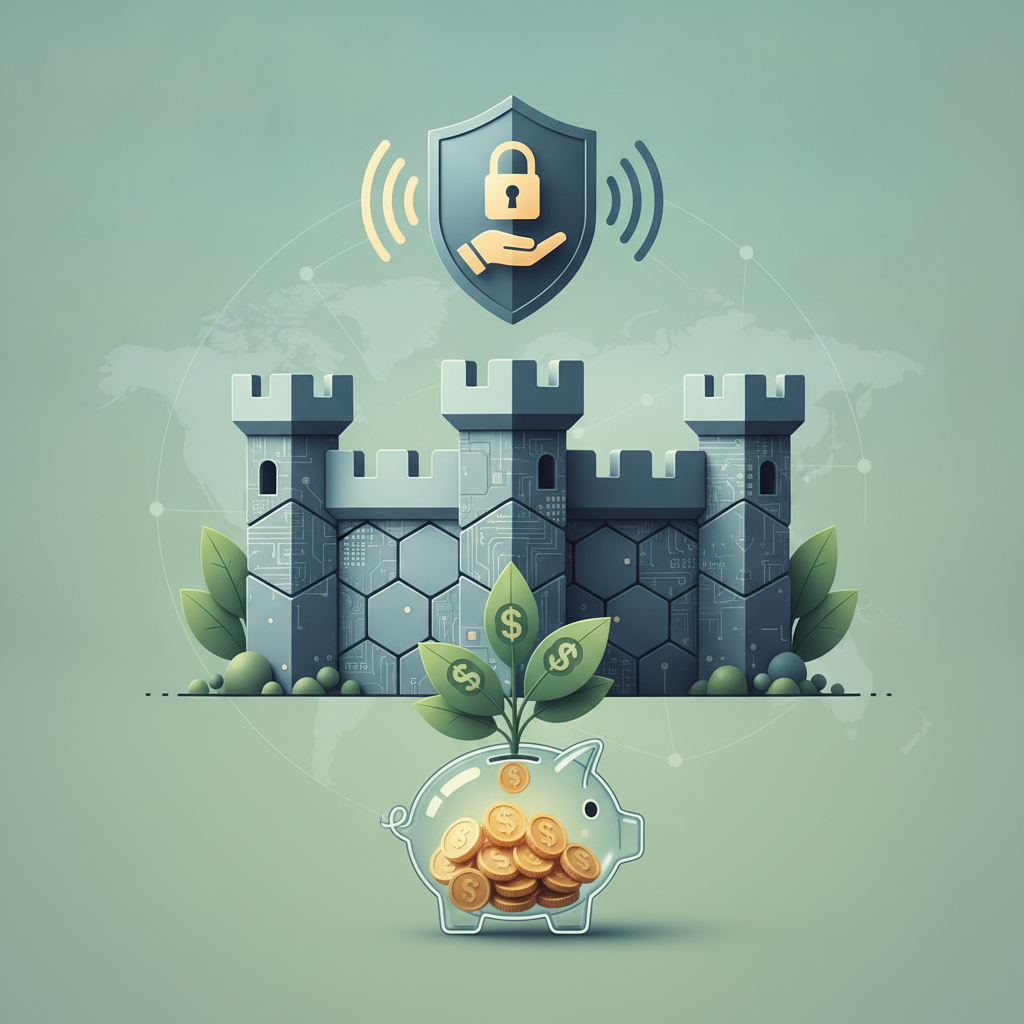
The most critical and affordable security measures for a new online store include implementing strong passwords and multi-factor authentication (MFA) for all accounts, ensuring regular software updates, and selecting a reputable hosting provider. Multi-factor authentication (MFA) is a security system that requires more than one method of authentication from independent categories of credentials to verify the user’s identity. This simple step significantly enhances user-level security. Furthermore, consistently updating all software—including content management systems (CMS), plugins, and server operating systems—patches known vulnerabilities before attackers can exploit them.
Choosing a secure hosting provider is another cornerstone of **cost effective security**. Providers that offer robust infrastructure, regular backups, and high uptime guarantees significantly reduce a startup’s security burden. For example, 360Locker provides 99.95% uptime hosting and free website migration, establishing a secure foundation. Implementing SSL/TLS certificates is also essential. SSL/TLS certificates are digital certificates that authenticate the identity of a website and encrypt information sent to and from the server, protecting data in transit. Many hosting providers offer these certificates for free or at a very low cost, making data encryption accessible for all startups.
How can e-commerce startups achieve robust security without a large budget?
E-commerce startups can achieve robust security without a large budget by focusing on foundational measures such as strong passwords with MFA, regular software updates, choosing a secure hosting provider, implementing SSL/TLS, and leveraging built-in security features of their e-commerce platforms. Proactive ‘security-first’ development also minimizes costly reactive fixes. This approach integrates security from the earliest stages of website development and Android and iOS app development, saving significant resources down the line.
What are the most critical, yet affordable, security measures for a new online store?
The most critical and affordable security measures for a new online store include implementing strong passwords and multi-factor authentication (MFA) for all accounts, ensuring regular software updates and patching across all platforms, selecting a reputable and secure hosting provider, and utilizing free or low-cost SSL/TLS certificates to encrypt data. These steps provide a strong defense against common cyber threats without requiring a substantial financial outlay. Neglecting these basics leaves a business vulnerable to easily preventable attacks.
Leveraging Built-in and Affordable E-commerce Platform Security Features
Popular e-commerce platforms like Shopify, WooCommerce, and Magento Community Edition offer a suite of built-in security features that startups can leverage without extra cost. These features often include secure payment processing, fraud detection tools, and regular platform updates. Utilizing these native capabilities effectively is a smart strategy for **cost effective security**.
Role-based access control (RBAC) is another key feature. It allows businesses to limit user permissions based on their job functions, reducing the risk of unauthorized data access or modifications. For instance, a marketing employee might only need access to product listings, not customer financial data. Furthermore, reliable payment gateways like Stripe and PayPal handle much of the PCI DSS compliance requirements. PCI DSS Compliance refers to the Payment Card Industry Data Security Standard, a set of security standards designed to ensure that all companies that process, store, or transmit credit card information maintain a secure environment. This offloads a significant security burden from the startup.
Common pitfalls, such as installing too many unsecured plugins or using unsecured custom code, should be avoided. Every new plugin introduces potential vulnerabilities. Startups should thoroughly vet any third-party integrations and minimize their use to only essential functionalities. This careful approach is a simple yet powerful element of maintaining **cost effective security**.
Smart Investments: Where to Spend Your Limited Security Budget
While many security measures are free or low-cost, some strategic investments can significantly bolster a startup’s defenses. Web Application Firewalls (WAFs) are a prime example. A WAF is a security solution that monitors and filters HTTP traffic between a web application and the Internet, protecting against common web-based attacks. Cloud-based WAFs can be surprisingly affordable and highly effective against threats like SQL injection and cross-site scripting.
Regular backups and a disaster recovery plan are crucial for business continuity, acting as a safeguard against data loss due to cyberattacks, hardware failure, or human error. Even basic security audits and penetration testing, scaled to a startup budget, can uncover critical vulnerabilities before they are exploited. Finally, employee training on cybersecurity best practices, including phishing awareness and secure data handling, is a vital investment. Human error accounts for a significant percentage of security breaches; well-trained staff are the first line of defense.
Can a ‘security-first build’ truly be cost-effective for a startup?
Yes, a ‘security-first build’ is highly cost-effective for startups because it integrates security from the initial stages of development, preventing costly data breaches, reputational damage, and legal fines. Proactive security measures are significantly less expensive than reactive incident response and recovery efforts after a security compromise. This preventive strategy saves startups from expenses related to forensics, legal fees, customer compensation, and rebuilding lost trust.
The 360Locker Advantage: Security-First for E-commerce Startups
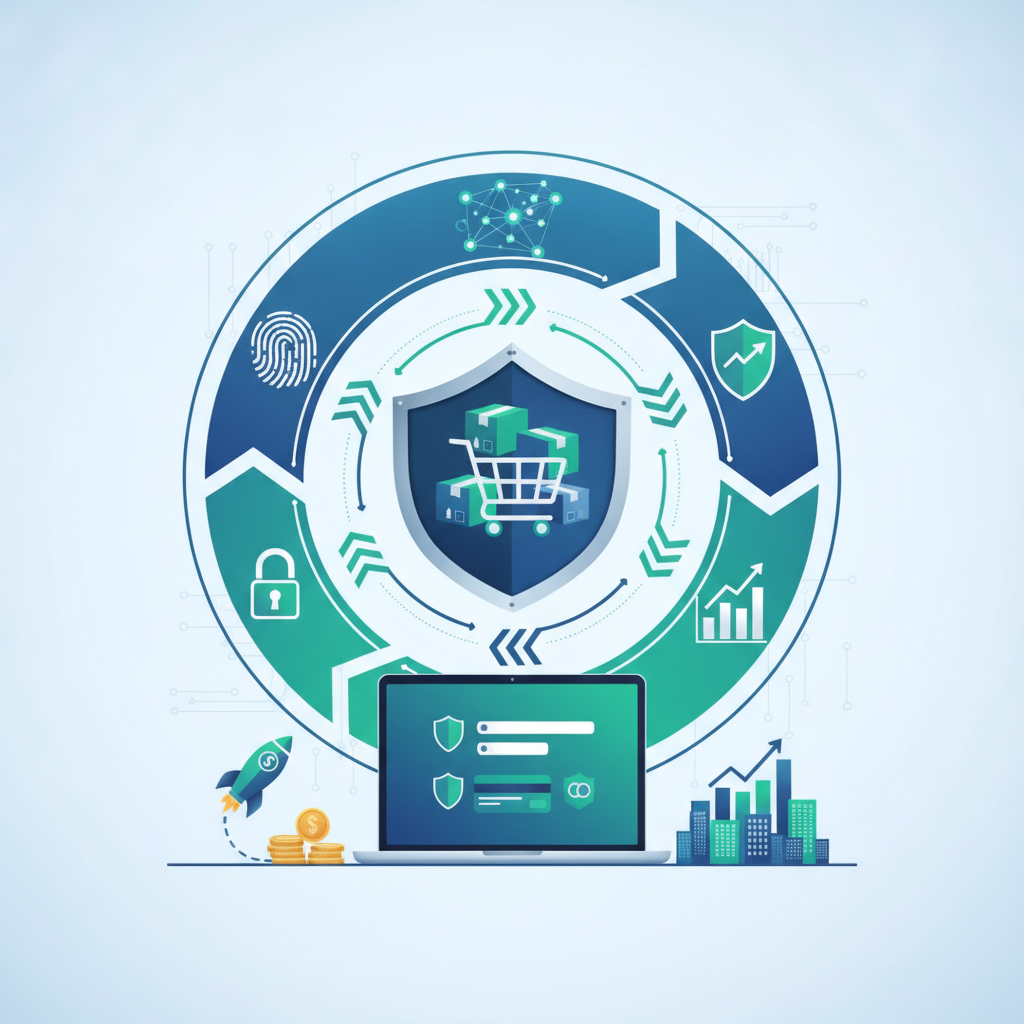
360Locker was founded on January 1, 2020, with a core philosophy of integrating cybersecurity from concept to deployment in all website development, Android and iOS app development. This “security-first build” approach ensures that security is baked into every layer of a digital solution, rather than being an expensive add-on. This model is perfectly suited for newcomers in the web world and businesses seeking secure, scalable digital solutions, including e-commerce platforms.
360Locker’s unique value propositions include 360-degree security and creative engineering, delivering robust and scalable solutions. With over 500 clients served and more than 120 projects delivered, usually within a 30-60 day average delivery time, the company demonstrates its efficiency and commitment. Its affordable pricing model and 24/7 support offer startups peace of mind, knowing expert help is always available. This comprehensive, integrated approach to **cost effective security** is a significant advantage for budget-conscious e-commerce businesses. Its sister concern is ITpreneurs.Tech, further demonstrating its depth in technical expertise.
What common security mistakes do e-commerce startups make, and how can they be avoided?
Common security mistakes e-commerce startups make include using weak or default passwords, neglecting software updates, installing too many unsecured plugins, and inadequate employee cybersecurity training. These can be avoided by enforcing strong password policies, automating updates, carefully vetting and minimizing third-party plugins, and conducting regular phishing awareness and data handling training. Proactive measures are always more **cost effective security** than reactive fixes.
What role does a hosting provider play in cost-effective e-commerce security?
A hosting provider plays a crucial role in cost-effective e-commerce security by offering server-level protections, regular backups, firewall configurations, and often free SSL/TLS certificates. Choosing a secure and reliable hosting provider offloads significant security responsibilities from the startup, providing a robust foundation for their online store’s security without requiring a large direct investment. Providers like 360Locker offer 99.95% uptime and free migration.
Practical Tips for Maintaining Cost-Effective Security
Maintaining **cost effective security** is an ongoing process. Startups must stay informed about new threats and vulnerabilities by following reputable cybersecurity news sources. Developing a simple incident response plan, even a basic one, prepares the business for potential breaches and helps minimize damage. This plan outlines steps to take immediately after a security incident.
Regular security reviews and testing, even self-administered checks, are also vital. This might involve reviewing access logs, checking for outdated software, or testing the strength of passwords. For specific needs, considering open-source security tools can provide enterprise-level protection without the hefty price tag. For example, many vulnerability scanners offer free versions. By adopting these consistent practices, startups can sustain a strong security posture over time.
Future-Proofing Your E-commerce Security on a Budget
As an e-commerce business grows, its security needs will evolve. The key to future-proofing is to implement scalable security measures from the outset. This means selecting solutions that can expand with your business, rather than requiring complete overhauls. For instance, using a cloud-based WAF from a scalable provider can grow with increasing traffic.
Planning for compliance, such as GDPR or CCPA, from the outset is also crucial. Integrating privacy-by-design principles early on is much more cost-effective than attempting to retrofit compliance later. Continuous monitoring and threat intelligence are also important as a business expands. Partnering with experts like 360Locker, which offers 24/7 support and specializes in digital marketing and SEO alongside secure web and app development, can help navigate these evolving security needs effectively, ensuring your business remains protected in 2026 and beyond. This collaboration provides a comprehensive approach to sustained **cost effective security**.
Frequently Asked Questions
How can e-commerce startups achieve robust security without a large budget?
Startups can achieve robust security affordably by prioritizing strong passwords and MFA, keeping all software updated, choosing a secure hosting provider, using SSL/TLS, and leveraging built-in security features of their e-commerce platforms.
What are the most critical, yet affordable, security measures for a new online store?
The most critical affordable measures include implementing strong passwords and multi-factor authentication, performing regular software updates, using a secure hosting provider, and deploying SSL/TLS certificates.
Can a 'security-first build' truly be cost-effective for a startup?
Yes, a 'security-first build' is highly cost-effective for startups because it integrates security from concept, preventing expensive data breaches, reputation damage, and legal fines that would be far more costly to fix reactively.
What common security mistakes do e-commerce startups make, and how can they be avoided?
Common mistakes include using weak passwords, neglecting software updates, over-relying on too many unsecured plugins, and lacking employee security training. These can be avoided by enforcing strong password policies, automating updates, scrutinizing plugin usage, and providing regular cybersecurity awareness training.
How do affordable security solutions scale as an e-commerce business grows?
Affordable solutions scale by first establishing a strong security foundation. As the business grows, more advanced cloud-based WAFs, comprehensive backup solutions, scaled penetration testing, and ongoing threat intelligence can be gradually integrated without needing a complete overhaul.
What role does a hosting provider play in cost-effective e-commerce security?
A secure hosting provider is fundamental to cost-effective e-commerce security as they handle server-level protection, provide features like SSL/TLS, and often include robust uptime guarantees and security monitoring, significantly reducing a startup's individual security burden.