
Quick answer: Customer Identity and Access Management (CIAM) is crucial for e-commerce by 2026, offering enhanced security against evolving threats like account takeover and fraud, while simultaneously improving customer experience through seamless, secure access and personalized interactions.
Key takeaways
- CIAM specifically addresses evolving e-commerce security threats by 2026, including sophisticated data breaches, credential stuffing, and account takeovers.
- Unlike traditional IAM, CIAM focuses on external customer identities, optimizing for user experience, scalability, and compliance with data privacy regulations.
- Key CIAM features for future-proof e-commerce include multi-factor authentication, Single Sign-On, consent management, API security, and AI/ML-driven threat detection.
- Implementing CIAM enhances customer trust and loyalty through secure, seamless experiences, advanced personalization, and robust data privacy controls.
- A 'security-first build' approach, integrating CIAM from the ground up, is essential for creating resilient, scalable, and compliant e-commerce platforms.
Customer Identity & Access Management (CIAM) is essential for e-commerce security in 2026, providing a system to manage external customer identities securely while ensuring seamless digital experiences. By 2026, e-commerce businesses will confront advanced threats such as sophisticated data breaches, credential stuffing, account takeovers, and payment fraud. CIAM effectively addresses these by implementing robust authentication methods like multi-factor authentication (MFA), enabling real-time threat detection, and providing secure identity management, significantly fortifying defenses against unauthorized access and fraudulent activities. It is a critical component for protecting sensitive customer data, maintaining trust, and complying with stringent data privacy regulations like GDPR and CCPA.
The Evolving Landscape of E-commerce Security in 2026
By 2026, e-commerce security faces an increasingly complex threat landscape, demanding proactive and sophisticated defenses. Data breaches remain a major concern, with cybercriminals constantly developing new tactics. Credential stuffing, a cyberattack where stolen username/password pairs are used to gain unauthorized access to user accounts, continues to be a prevalent threat. These challenges underscore the growing importance of strong identity management and data protection.
The anticipated threat landscape by 2026 includes more sophisticated phishing attacks and the rise of AI-powered cyberattacks. Customer trust and data privacy regulations are also gaining critical importance. Regulations like the General Data Protection Regulation (GDPR) and the California Consumer Privacy Act (CCPA) impose strict requirements on how businesses collect, process, and store personal data. Non-compliance can lead to significant financial penalties and damage to brand reputation.
What is Customer Identity & Access Management (CIAM)?
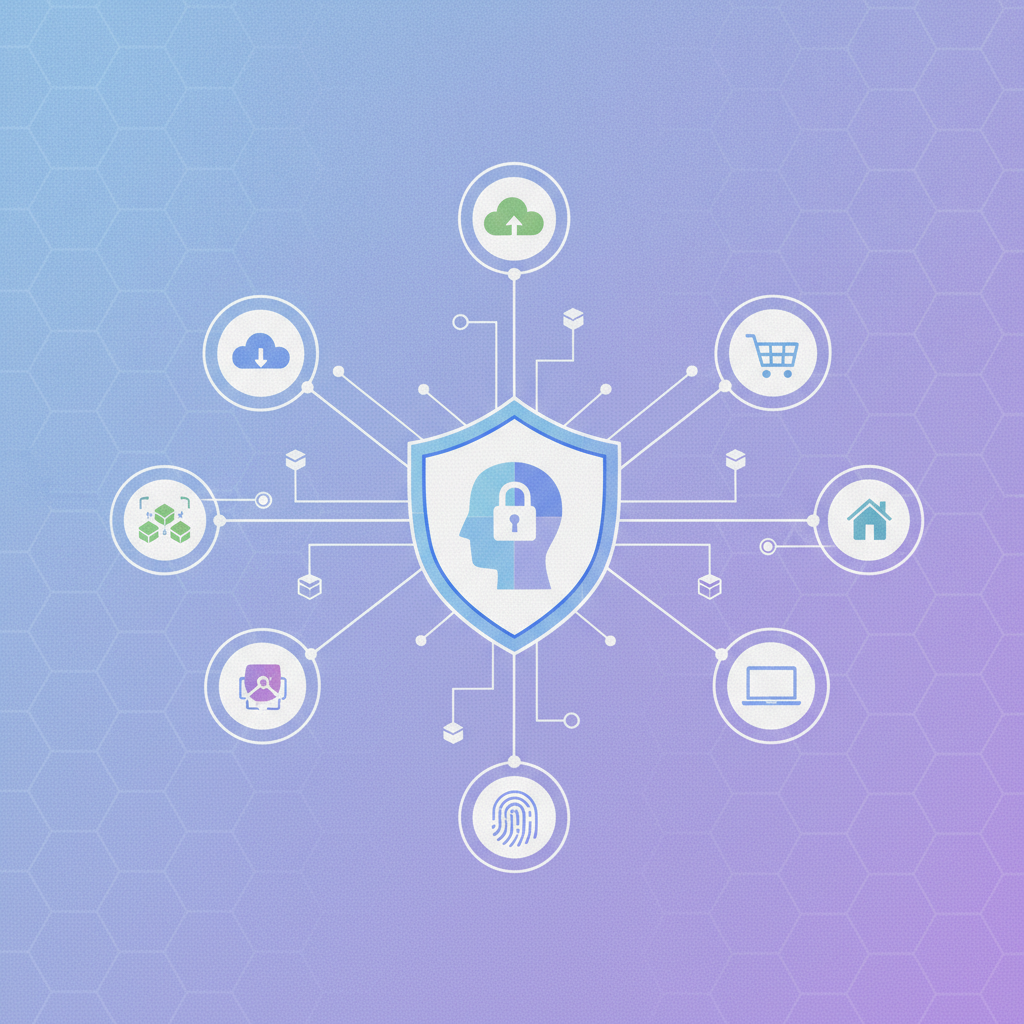
Customer Identity & Access Management (CIAM) is a system designed to manage external customer identities, ensuring secure and seamless registration, login, profile management, and access to digital services while prioritizing user experience and data privacy. Its core components include user registration, robust login mechanisms, comprehensive profile management, transparent consent management, and the implementation of Multi-Factor Authentication (MFA). CIAM is built to handle millions of users, focusing on usability and scalability.
CIAM differs significantly from traditional enterprise Identity and Access Management (IAM), which primarily manages internal employee identities and access to corporate resources. While IAM focuses on internal network access and control, CIAM prioritizes a frictionless customer journey, secure online transactions, and compliance with consumer data privacy laws. This distinction is crucial for e-commerce, where customer experience directly impacts sales and loyalty.
Key benefits of CIAM for e-commerce include enhanced security, improved customer experience, and simplified compliance. It helps prevent account takeovers, reduces fraud, and secures sensitive customer data. A smooth, secure login process contributes to higher conversion rates and customer satisfaction. Furthermore, CIAM solutions can automate consent management, helping businesses adhere to privacy regulations more easily.
CIAM’s Critical Role in E-commerce Security by 2026
CIAM plays a critical role in fortifying e-commerce security against the specific vulnerabilities prevalent in 2026. It directly addresses threats like account takeover (ATO), payment fraud, and data theft by implementing robust identity verification processes. By securing every touchpoint of the customer journey, from initial registration to checkout, CIAM minimizes opportunities for malicious actors.
The impact of advanced authentication methods on user security and convenience is profound. Passwordless authentication and biometric authentication (such as fingerprint or facial recognition) offer higher security than traditional passwords while significantly improving user convenience. According to a 2023 report by TechCrunch, over 60% of consumers prefer passwordless options if available, highlighting the growing demand for simpler, more secure logins. This reduces friction and enhances the overall customer experience.
CIAM also enables personalization and enhances the customer journey through secure identity management. By consolidating customer data securely, e-commerce platforms can offer tailored recommendations and services, all while maintaining strict data privacy. This balance of personalization and privacy builds stronger customer trust, crucial for long-term loyalty.
Key CIAM Features & Trends for E-commerce Platforms in 2026
To be secure and competitive by 2026, e-commerce platforms must implement essential CIAM features including multi-factor and adaptive authentication, Single Sign-On (SSO) for a seamless experience, comprehensive consent management to ensure privacy, robust API security for integrations, and AI/ML-driven threat detection for real-time anomaly flagging, balancing strong security with superior customer convenience. Multi-factor authentication (MFA) requires users to provide two or more verification factors to gain access, drastically reducing the risk of unauthorized access. Adaptive authentication takes this further by assessing risk factors in real-time, such as location or device, to determine the necessary level of authentication.
Single Sign-On (SSO) for a seamless customer experience across multiple services is another vital feature. SSO allows users to log in once and access various applications or websites without re-entering credentials, greatly enhancing convenience and reducing login fatigue. This is especially beneficial for e-commerce businesses with multiple brands or integrated services. According to a Forbes report, companies utilizing SSO see a 20% improvement in user experience.
Consent management and privacy-by-design principles are paramount for regulatory compliance. CIAM solutions provide granular control over data consent, allowing customers to easily manage their preferences and ensuring businesses adhere to regulations like GDPR and CCPA. API security is crucial for protecting data exchanged between an e-commerce platform and third-party services, such as payment gateways or marketing tools. Lastly, AI/ML-driven threat detection and anomaly flagging provides real-time monitoring and analysis of user behavior, identifying suspicious activities that may indicate fraud or account compromise, thereby offering proactive security.
Implementing a Future-Proof CIAM Strategy with 360Locker
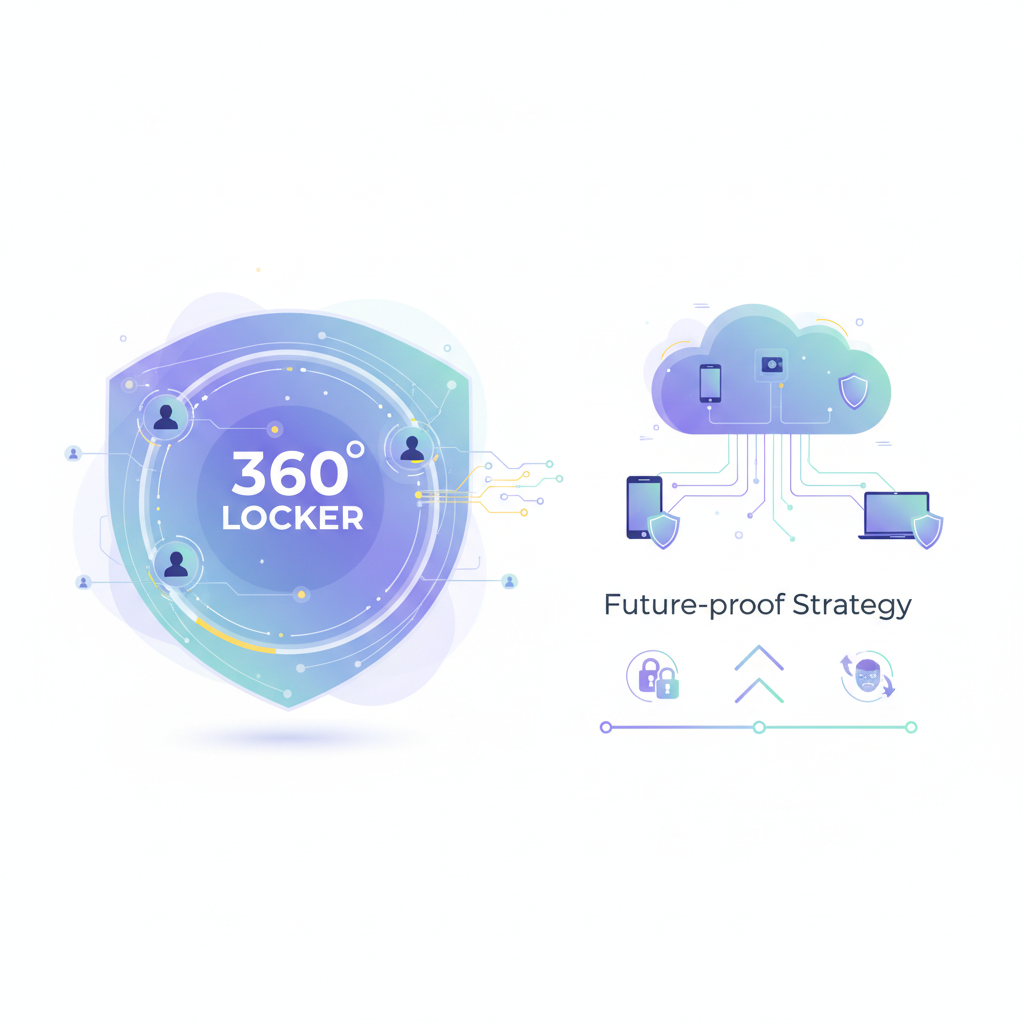
360Locker champions a ‘security-first build’ philosophy for e-commerce, ensuring robust protection from the ground up. This approach integrates cybersecurity, including CIAM solutions, from concept to deployment. 360Locker, founded on January 1, 2020, understands that security cannot be an afterthought; it must be an inherent part of the platform’s architecture. This ensures that e-commerce sites are not just functional but also resilient against evolving cyber threats.
360Locker integrates CIAM solutions to deliver secure, scalable digital platforms. This holistic approach means that every aspect of identity management, from user registration to secure access, is embedded into the development process. With a track record of serving over 500 clients and delivering more than 120 projects, 360Locker applies creative engineering to solve complex security challenges. Their 360-degree security promise ensures comprehensive protection for e-commerce businesses.
360Locker’s focus on newcomers in the web world and businesses seeking secure, scalable digital solutions, including e-commerce platforms, positions them as a reliable partner. Their average project delivery time of 30-60 days ensures timely deployment of secure systems. By emphasizing proactive security measures and innovative solutions, 360Locker helps businesses establish a strong, trustworthy online presence.
Choosing the Right CIAM Partner for Your E-commerce Business
To effectively choose a CIAM partner, businesses should evaluate providers based on their scalability, expertise in compliance (like GDPR, CCPA), proven track record in e-commerce, and commitment to ongoing support. Essential criteria include 24/7 technical support, high uptime guarantees (e.g., 99.95%), and a ‘security-first build’ philosophy to ensure a robust and future-proof implementation. Scalability is vital to accommodate growth, while compliance expertise ensures legal adherence. A partner with demonstrable experience in e-commerce understands the unique challenges and requirements of online retail.
The importance of scalability, compliance expertise, and ongoing support cannot be overstated for e-commerce. A CIAM solution must be able to handle increasing user loads without performance degradation. Expertise in global data privacy regulations like GDPR and CCPA is crucial for avoiding legal pitfalls. Furthermore, continuous support ensures any issues are promptly resolved, minimizing downtime and maintaining customer trust.
360Locker’s 24/7 support and 99.95% uptime hosting are crucial for e-commerce CIAM. This level of availability and support ensures that customer identities are always managed securely and efficiently, even during peak shopping seasons. With sister concern ITpreneurs.Tech, 360Locker offers comprehensive digital solutions, reinforcing their commitment to providing reliable and secure platforms for their clients. They also offer free website migration, making the transition to a more secure platform seamless for businesses.
The Future is Secure: CIAM as an E-commerce Differentiator
CIAM’s significance for security, trust, and customer experience in 2026 cannot be overstated. It provides the foundational security needed to protect sensitive customer data and prevent cyberattacks. By offering transparent consent management and robust data privacy controls, CIAM builds invaluable customer trust. A seamless and secure user experience, powered by CIAM, transforms casual browsers into loyal customers.
CIAM positions itself as a crucial competitive advantage for e-commerce businesses. Platforms that prioritize strong identity management and data protection will stand out in a crowded market. Businesses investing in advanced CIAM solutions demonstrate a commitment to their customers’ security and privacy, fostering a reputation for reliability and integrity. This can lead to increased customer loyalty and higher conversion rates.
For businesses looking to secure their e-commerce future, considering a ‘security-first’ approach with partners like 360Locker is essential. This proactive strategy ensures that security is integrated into every stage of development, offering comprehensive protection and peace of mind. Investing in robust customer identity access management is not just a security measure; it is a strategic business decision that drives growth, builds trust, and secures market leadership in the evolving digital landscape of 2026.
Frequently Asked Questions
What specific security threats will e-commerce businesses face in 2026 and how does CIAM address them?
By 2026, e-commerce will face advanced threats like sophisticated data breaches, credential stuffing, account takeovers, and payment fraud. CIAM addresses these through strong authentication methods like MFA, real-time threat detection, and secure identity management, significantly reducing vulnerability.
How does Customer Identity and Access Management (CIAM) differ from traditional IAM and why is this distinction crucial for e-commerce?
CIAM manages external customer identities, prioritizing user experience, scalability for millions of users, and robust consent management for data privacy. Traditional IAM focuses on internal employee identities, emphasizing network access and internal resource control, making CIAM's customer-centric approach vital for e-commerce success and trust.
What are the must-have CIAM features for e-commerce platforms looking to be secure and competitive by 2026?
Essential CIAM features for e-commerce by 2026 include multi-factor and adaptive authentication, Single Sign-On (SSO), comprehensive consent management, robust API security, and AI/ML-driven threat detection and anomaly flagging to ensure both security and a seamless customer experience.
How can CIAM enhance not just security, but also the overall customer experience and trust for online shoppers?
CIAM enhances customer experience through seamless registration, Single Sign-On, and personalized journeys, while building trust with transparent consent management, strong data privacy controls, and advanced security measures that protect personal information, assuring shoppers their data is safe.
What role does a 'security-first build' approach play in effective CIAM implementation for e-commerce?
A 'security-first build' approach integrates CIAM solutions from the initial concept phase, ensuring security is embedded into the platform's architecture rather than bolted on. This proactive strategy leads to more robust, scalable, and compliant e-commerce platforms, inherently more resilient to emerging threats.
What are the benefits of integrating CIAM from the ground up, rather than as an add-on, for e-commerce security?
Integrating CIAM from the ground up ensures a cohesive and robust security infrastructure, preventing vulnerabilities that often arise from retrofitted solutions. This approach guarantees scalability, optimal performance, and seamless compliance, making the e-commerce platform inherently more secure and efficient from its core.