

Supply chain security is increasingly important for digital vendors due to their growing interconnectedness, the rise of sophisticated cyber threats like ransomware and nation-state attacks, and the severe impact a breach can have on data, reputation, and finances. In 2026, businesses must adopt a proactive “security-first build” approach, moving beyond traditional perimeter defenses to safeguard their entire digital footprint. This involves rigorous vendor risk assessment, implementing Zero Trust models, and ensuring transparency in all digital components.
What Is Supply Chain Security?
Supply chain security is the process of protecting digital ecosystems from threats originating from third-party vendors and their software, services, and integrations. It encompasses both physical and cyber aspects, managing risks that arise from outsourced components, logistics partners, and external software dependencies. In a digital context, it ensures that every element from an external source—whether a cloud service, API, or code library—does not introduce vulnerabilities that could compromise the entire business.
Threat Landscape for Digital Supply Chains
A Digital Supply Chain is the interconnected network of software, APIs, cloud services, and third-party vendors that contribute to an organization’s digital products and operations. This complex web now forms the backbone of almost every modern business. Organizations rely heavily on external providers for essential functions, from CRM platforms to web hosting and payment gateways. According to a 2023 report by IBM Security, 82% of surveyed breaches involved data stored in cloud environments, often managed by third parties.
The increasing interconnectedness creates a wider attack surface for cybercriminals. Each new vendor, API, or cloud service introduces potential vulnerabilities. Traditional security models, focused on protecting an internal perimeter, are no longer sufficient to secure these extended digital ecosystems. The sophisticated nature of modern threats demands a more comprehensive strategy.
The biggest cyber threats facing digital supply chains in 2026 include sophisticated ransomware attacks, nation-state sponsored attacks, and zero-day exploits specifically targeting vendors. Ransomware groups, for example, frequently target third-party software providers to gain access to their clients’ networks. Nation-state actors often leverage supply chain weaknesses for espionage or critical infrastructure disruption. Zero-day exploits, previously unknown vulnerabilities, can allow attackers to bypass standard defenses, especially when discovered in widely used vendor software.
Traditional perimeter security simply cannot contain threats that originate deep within a vendor’s infrastructure. Once an attacker compromises a trusted vendor, they can often move laterally into client systems without triggering typical perimeter alarms. This makes robust supply chain security paramount for any business operating in the digital sphere.
Why Supply Chain Security Matters in 2026
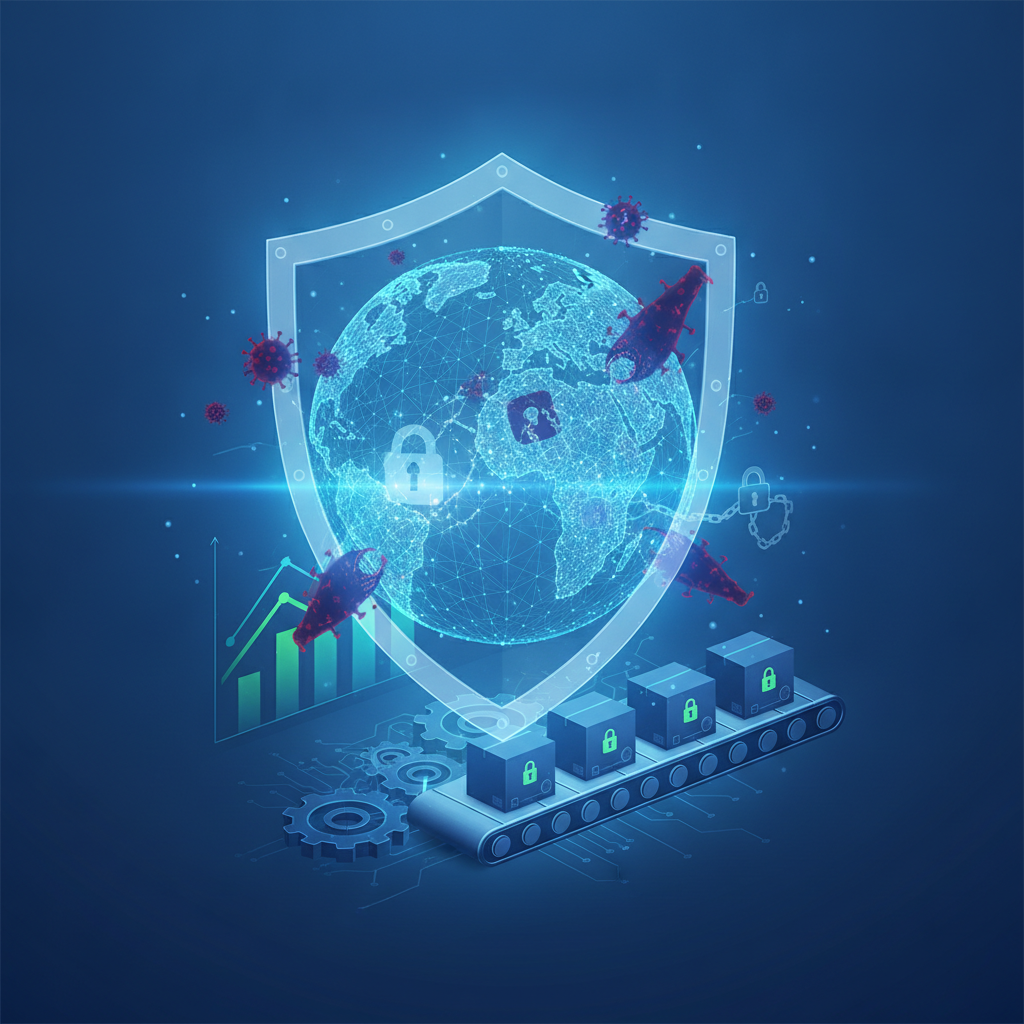
Supply chain security is critically important in 2026 because a vendor breach can lead to severe consequences for any business. Such incidents often result in significant data loss, reputational damage, and substantial financial penalties. Operational disruption can halt critical services, impacting revenue and customer trust. According to IBM’s 2023 Cost of a Data Breach Report, the average data breach cost reached $4.45 million, highlighting the financial stakes.
Regulatory pressures also drive the need for enhanced supply chain security. Regulations like GDPR and CCPA profoundly impact supply chain security strategies by making businesses accountable for the data protection practices of their third-party vendors. Upcoming sector-specific regulations will further tighten these requirements. This necessitates rigorous vendor risk assessments, strong contractual security clauses, and transparent data handling policies to ensure compliance, avoid significant financial penalties, and maintain customer trust. Failure to comply can result in fines reaching tens of millions of dollars or a percentage of global annual revenue.
Building trust with customers and partners is essential in today’s digital economy. A strong commitment to securing the entire digital ecosystem, including vendor relationships, demonstrates responsibility and reliability. This proactive approach fosters confidence, which is a valuable competitive advantage. Conversely, a publicized vendor breach can erode customer loyalty quickly.
The industry has seen a clear shift from reactive incident response to proactive risk management. Businesses are now understanding that waiting for a breach to occur is far more costly than investing in preventative measures. This proactive stance is fundamental to a robust supply chain security strategy in 2026.
Key Pillars of Vendor Security
Businesses can effectively assess and manage vendor security risks through continuous monitoring, thorough due diligence via security questionnaires, and regular audits of vendor integrations. This comprehensive approach ensures that potential vulnerabilities are identified and addressed before they can be exploited. Without proper assessment, an organization remains blind to its third-party risks.
Implementing Zero Trust principles for vendor access and interactions is a vital component. Zero Trust is a security model that dictates no entity, whether inside or outside the network perimeter, should be trusted by default, requiring verification for every access attempt. This means every vendor connection, every data exchange, and every access request must be authenticated and authorized, significantly reducing the risk of unauthorized access. It moves away from the outdated “trust but verify” model to a “never trust, always verify” philosophy.
Demanding Software Bill of Materials (SBOMs) is another critical pillar. An SBOM is a formal, machine-readable list of ingredients and components in a piece of software, providing transparency and aiding in vulnerability management. SBOMs offer clear visibility into the open-source and commercial components used in vendor software, allowing businesses to quickly identify and mitigate risks when new vulnerabilities are discovered. This transparency is crucial for rapid response.
Ensuring vendors adhere to a Secure Development Life Cycle (SDLC) for their software and services is also paramount. A Secure SDLC integrates security practices into every stage of software development, from design to deployment. This minimizes vulnerabilities from the outset, rather than trying to patch them later, making the software inherently more secure.
Regular security audits and penetration testing of vendor integrations help validate the effectiveness of security controls. These tests simulate real-world attacks, uncovering weaknesses that might otherwise go unnoticed. This continuous validation ensures that security measures remain effective against evolving threats, providing an ongoing layer of protection.
Supply Chain Security Best Practices
- Conduct continuous vendor risk assessments: Regularly evaluate vendors through security questionnaires and audits to identify and mitigate risks.
- Enforce Zero Trust for all vendor access: Apply a “never trust, always verify” model to every vendor connection and access request.
- Require SBOMs from software vendors: Demand a Software Bill of Materials to maintain visibility into open-source and commercial components.
- Monitor third-party APIs and integrations: Continuously track API security and integration points to detect anomalies or vulnerabilities.
- Include security clauses in vendor contracts: Clearly define data protection responsibilities, incident response protocols, and required controls.
- Test incident response for vendor breach scenarios: Regularly simulate vendor-related breaches to ensure rapid and effective response.
How 360Locker Ensures ‘Security-First Builds’ for Your Digital Vendors
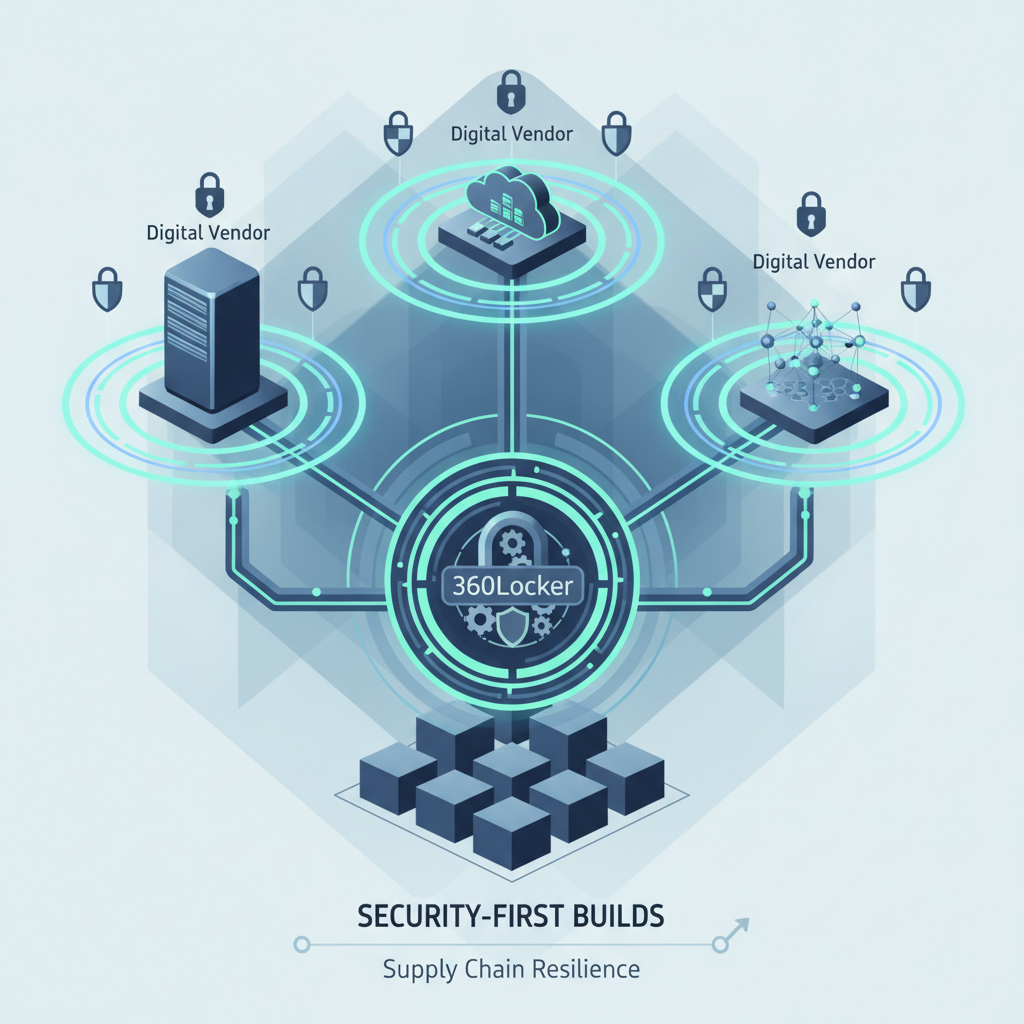
360Locker’s core philosophy is a ‘security-first build’, which integrates cybersecurity from the initial concept to deployment. A Security-First Build is an approach to development that integrates cybersecurity considerations and practices from the very beginning of a project’s lifecycle, rather than as an afterthought. This ensures that all digital solutions, including those involving third-party vendors, are inherently secure by design. This proactive stance minimizes vulnerabilities and strengthens overall resilience.
When 360Locker provides website development and Android and iOS app development services, our processes prioritize secure vendor integrations. We meticulously evaluate and integrate third-party APIs and services, ensuring they meet rigorous security standards. Our focus prevents potential threats from entering your digital ecosystem through less secure vendor components. This approach is especially beneficial for newcomers in the web world, simplifying complex security needs.
We emphasize 360-degree security, covering all potential attack vectors in a digital supply chain. This means examining every interaction point, from cloud service providers to payment gateways and content delivery networks. Our comprehensive strategy leaves no stone unturned, providing robust protection across your entire digital presence. Our sister concern, ITpreneurs.Tech, also aligns with these high security standards.
360Locker leverages creative engineering for resilient, scalable, and secure e-commerce platforms and other digital solutions. Our team of experts designs systems that are not only functional but also fortified against various cyber threats. This creative approach allows for innovative security solutions tailored to specific business needs, ensuring both performance and protection. Our average delivery time for projects is 30-60 days, demonstrating efficient, secure development.
Furthermore, our robust hosting service, boasting 99.95% uptime, provides a secure foundation for all vendor interactions. This reliable and secure environment is crucial for preventing disruptions and protecting data exchanged with third parties. Founded on January 1, 2020, 360Locker has already served over 500 clients and delivered more than 120 projects, demonstrating our commitment to secure, high-quality digital solutions. We even offer free website migration, ensuring a secure transition for your existing digital assets.
Practical Steps: Partnering for Enhanced Supply Chain Security
Establishing clear security requirements and contractual agreements with digital vendors is a fundamental step. These agreements should explicitly define data protection responsibilities, incident response protocols, and required security controls. According to a Deloitte survey, only 53% of organizations include cybersecurity clauses in their third-party contracts, highlighting a significant gap. Robust contracts help ensure vendors adhere to your security standards.
Utilizing secure development practices in your own projects that incorporate vendor components is equally important. This means applying principles like least privilege and secure coding when building integrations or using vendor-provided libraries. Your internal practices must complement your vendor requirements to create a seamless security posture.
The role of continuous monitoring and threat intelligence sharing cannot be overstated. Constantly monitoring vendor activity and sharing threat intelligence data helps to identify and mitigate risks in real-time. This proactive approach allows for quick responses to emerging threats, protecting your digital assets. Staying informed about the latest vulnerabilities is critical.
Leveraging expert partners like 360Locker for comprehensive security audits and development enhances your supply chain security. As a company dedicated to “security-first builds,” 360Locker can assess your vendor ecosystem, identify weaknesses, and develop secure integrations. Our expertise ensures that even newcomers in the web world receive top-tier protection.
The benefits of 360Locker’s 24/7 support are crucial in managing vendor-related security incidents. Rapid response capabilities can significantly reduce the impact of a breach, minimizing downtime and data loss. Our dedicated support team is always available to assist, providing peace of mind and swift resolution.
Frequently Asked Questions
What is meant by supply chain security?
Supply chain security refers to the practices and processes used to protect an organization’s digital ecosystem from threats that originate from third-party vendors, their software, services, and integrations. It covers both physical and cyber risks, ensuring that external components do not compromise the overall security posture.
Why is supply chain security important?
Supply chain security is critical because modern businesses rely heavily on third-party vendors, cloud services, and APIs. A breach at any point in the supply chain can lead to data loss, financial damage, operational disruption, and reputational harm. Proactively securing the supply chain helps maintain customer trust and regulatory compliance.
What are the main supply chain security threats?
The main threats include sophisticated ransomware attacks targeting vendor software, nation-state espionage through third-party weaknesses, zero-day exploits in commonly used components, and insecure APIs that expose data. Additionally, poor vendor security practices and lack of visibility into third-party dependencies increase risk.
How can businesses secure their digital supply chain?
Businesses can secure their supply chain by conducting continuous vendor risk assessments, enforcing Zero Trust access, requiring Software Bill of Materials (SBOMs), monitoring third-party APIs, including security clauses in contracts, and regularly testing incident response plans for vendor breach scenarios.
The Future is Secure: Preparing Your Business for 2026 and Beyond
Anticipating future trends in supply chain attacks and defense mechanisms is crucial for long-term security. As cybercriminals become more sophisticated, so too must our defenses. Emerging technologies like AI in security analysis and blockchain for supply chain transparency will play a growing role. Businesses must stay informed and adapt quickly.
The importance of adaptability and continuous improvement in security posture cannot be overstated. Cybersecurity is not a one-time fix but an ongoing process of evolution and refinement. Regular training, updated policies, and continuous technological upgrades are essential to stay ahead. Stagnation in security is an invitation for attack.
360Locker’s commitment to staying ahead of cybersecurity threats benefits its clients. We have served over 500 clients and delivered more than 120 projects, continuously integrating the latest security measures into our website development, app development, and hosting services. This dedication ensures that our clients, including those seeking secure, scalable digital solutions for e-commerce platforms, remain protected. Our “security-first build” approach is a testament to this commitment.
A reminder that secure digital solutions are not just protection, but a competitive advantage. In 2026, businesses that can guarantee the security of their digital supply chains will build stronger trust with customers and partners. This trust translates directly into business growth and market leadership, making security an investment, not just an expense.
Key takeaways
- Digital supply chains are highly interconnected, making them vulnerable to sophisticated attacks targeting third-party vendors.
- A single vendor breach can lead to significant data loss, reputational damage, financial penalties, and operational disruption.
- A robust security strategy requires continuous vendor risk assessment, Zero Trust principles, SBOMs, and secure development lifecycles.
- 'Security-first builds' integrate cybersecurity from the initial concept phase, creating resilient and secure digital solutions.
- Proactive risk management and expert partnerships are crucial for navigating evolving regulatory landscapes and anticipating future threats.