
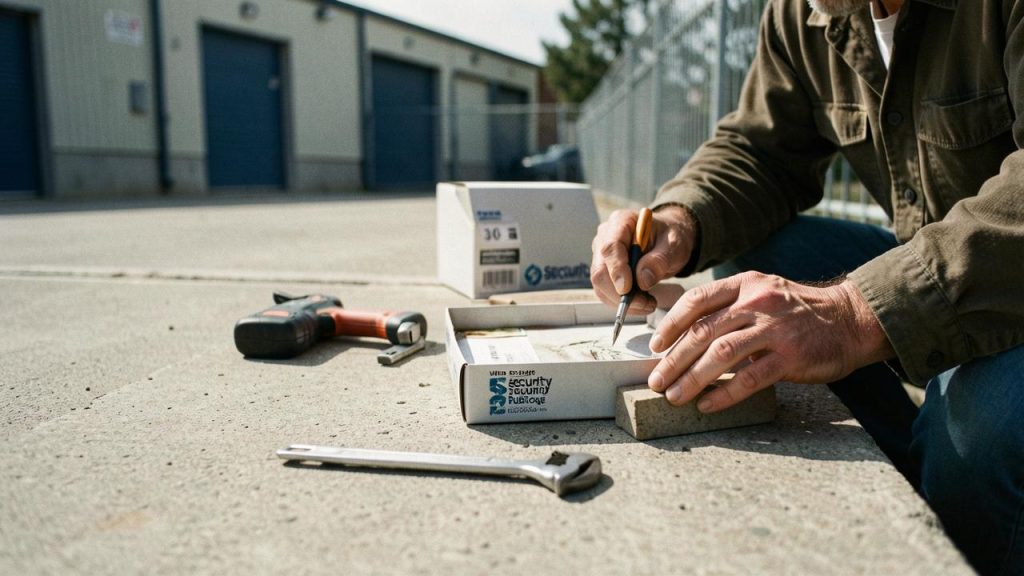
Quick answer: Security Public Storage offers self-storage units across California and Maryland with no hidden fees, $3,000 included insurance, and month-to-month contracts starting around $30 USD per month for small units.
Key takeaways
- Rentals include $3,000 free insurance, a benefit most competitors charge extra for.
- Units range from $30 to over $200 USD monthly based on size and city.
- Monthly contracts with no long-term commitment but can see rate increases after the first month.
- Facilities use individual door alarms, 24/7 video surveillance, and gated access codes.
- Bring a photo ID and your own padlock; online reservations are available.
Who runs Security Public Storage and where are they located
Security Public Storage is a privately run self-storage operator founded in 1983, not a division of the much larger Public Storage REIT. You will find their facilities spread across multiple US states, with a strong concentration in California and Maryland. Each location is managed locally with onsite staff, gated entry, and a deliberate focus on familiar service over corporate automation. In 2026, that distinction matters more than ever as the giant chains push toward fully unstaffed sites.
How is this company different from the big Public Storage chain?
The name causes confusion every day. Security Public Storage has zero connection to the nationwide “Public Storage” brand with the orange signs. It remains a regional competitor. Where the major chain manages over 2,800 locations, this operator keeps its footprint intentionally smaller so facility managers can remember your name and notice if a unit seal is broken. You deal with a person who works at that site, not a centralized call center.
Where exactly are the facilities located?
California and Maryland house the bulk of the portfolio. You will find clusters in busy suburban markets where homeowners and small businesses need overflow space. Within those states, facilities sit on main roads with clear visibility and wide drive-up access. Gate hours typically run from 6 a.m. to 9 p.m. daily, with the office open for in-person help during standard business hours.
What does the onsite team actually handle day to day?
Staff do more than hand out keys. They walk the property every morning to check locks, reset gate codes, and flag any unit that looks tampered with. They handle overlock placement, auction management, and payment collection directly. If you fall behind on rent, you speak with a manager who can authorize a short extension—something an algorithm at a national chain simply will not do.
What unit sizes and prices to expect at Security Public Storage
A 5×5 locker starts near $30 USD a month — roughly the size of a hall closet. At the other end, a 10×30 drive-up unit can hold a four-bedroom house worth of furniture and tops $200 USD in pricier cities. The price gap comes down to three things: square footage, location, and whether you add climate control.

What sizes are actually available
Most properties stock five to eight standard layouts. The 5×5 fits seasonal boxes and a bicycle. A 5×10 swallows a studio apartment. You see 10×15 units for small business inventory, and 10×30 spaces for vehicle or whole-home storage. Not every site carries every size, so checking the specific address saves a wasted trip.
How location changes your rate
San Francisco units command the highest premiums in the portfolio — sometimes double what the same footprint costs in Modesto or South Gate. Oceanside rates sit above the regional average, pulled up by coastal demand. A 10×20 non-climate unit that lists for $89 USD in a Central Valley town can push past $180 USD in the Bay Area.
Climate control and the real cost
Climate-controlled spaces add roughly 20–35% to the base rent. That upgrade keeps temperature and humidity steady, which matters for electronics, wood furniture, and paperwork. In hotter inland cities like Modesto, skipping climate control for sensitive items often leads to warped wood and ruined batteries within a single summer.
What insurance is included and how it compares to other providers
Security Public Storage bundles $3,000 of goods protection into every rental at no extra line-item cost. You won’t need to hunt down a separate policy before moving in. Most competitors require exactly that. Public Storage, for example, asks you to provide your own proof of insurance or enroll in their own paid plan, which often starts at lower coverage limits.
How does included coverage stack up against other facilities
Getting $3,000 as a baseline changes the math. Many national chains offer no default coverage at all. Others cap protection at $1,000 or $2,000 unless you pay more each month. Security Public Storage’s approach means casual renters storing furniture or seasonal gear are likely covered from day one. Yet for high-value loads, that figure is only a starting point. A full household of appliances and electronics easily exceeds $3,000.
Can I buy extra protection for high-value items
Yes. You can purchase additional coverage directly through Security Public Storage if your stored goods are worth more. This keeps logistics simple: one facility, one point of contact for both rental and protection. Industry-wide, expect to pay roughly $10 to $25 USD extra per month for every $5,000 of additional coverage, depending on local risk factors. Ask the on-site team to walk you through the exact tiers before you sign, so you don’t over-insure or under-protect.
Do this today: Add up the rough replacement cost of everything you plan to store. If the total creeps past $3,000, request a quote for the gap before move-in day. A five-minute calculation now beats a coverage shortfall after a fire or theft.
Which security features protect your items onsite
A smash-and-grab at an unmonitored facility takes minutes. At Security Public Storage, every single unit triggers a real-time alarm the moment its door is opened without the correct code. That is the first and most direct line of defense — not a passive sensor, but an active alert that staff respond to immediately.
How individually alarmed units work
Each unit door has a dedicated contact. When you punch in your personal access code at the keypad, the system disarms only your specific unit. If a door opens without that disarm signal, an alarm sounds at the facility and in the manager’s office at once. No one can silently test doors here.
What video surveillance covers
Cameras record all common areas, hallways, and loading bays around the clock. The footage is retained, so if an incident happens at 3 a.m. on a Sunday, there is a complete record. Most break-ins at self-storage happen during business hours, not after dark, according to research published by the Self storage industry. Continuous recording closes that gap.
Secure gated entry and access codes
No one drives or walks onto the property without a unique PIN. The gate logs every entry and exit. That log, combined with your unit’s disarm history, creates a digital fingerprint for every visit. You are not sharing a gate code with a hundred strangers on a sticky note. NIST’s cybersecurity framework principles — unique credentials and access logs — apply just as much to physical perimeters as to servers.
These layers work together: gate log, camera timestamp, and alarm event. If a lock is cut, there is no question who was onsite. That overlapping record is what turns a security showroom into real deterrence. As the layered security model in facility protection stresses, one layer fails, another catches the breach.
How the rental process works and what to bring on move-in day
You can reserve a unit online in under 10 minutes with no deposit. Most locations then switch you to a month-to-month contract with zero long-term commitment. That means you never pay for a day you don’t need.
What do I need to bring to finalize the rental?
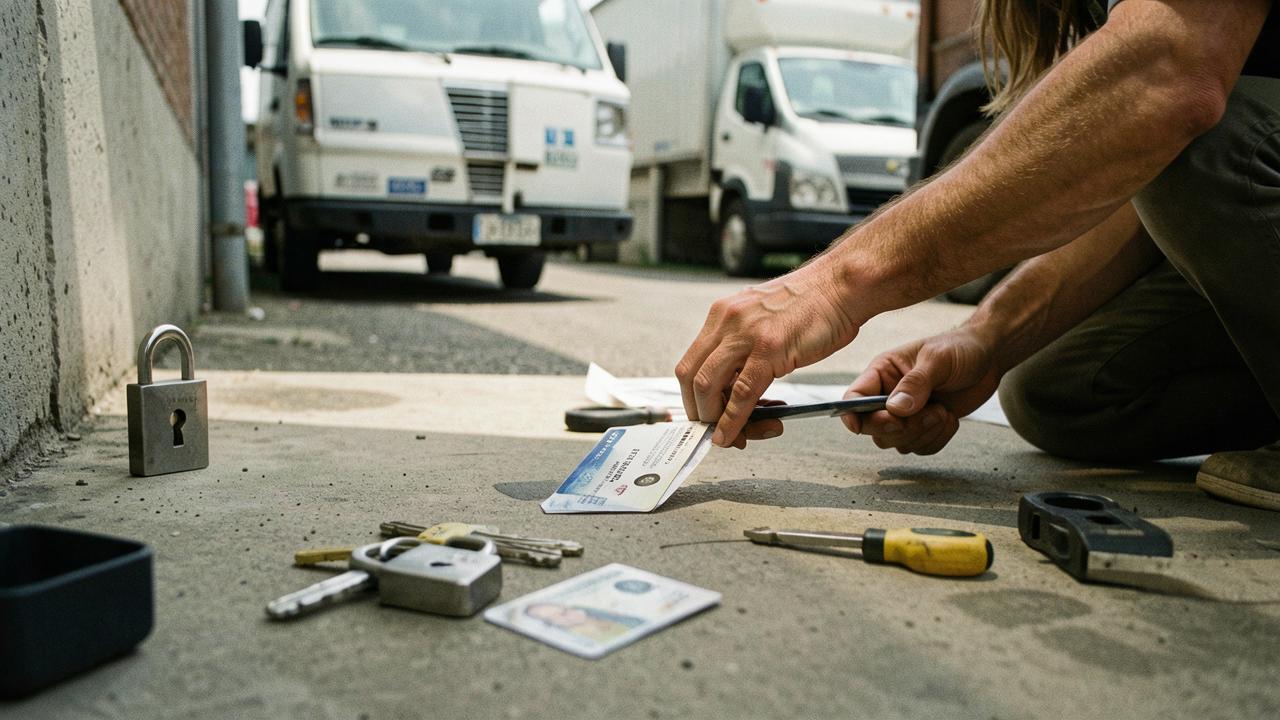
Bring a valid government-issued photo ID—a driver’s license or passport works. You also need your own sturdy padlock. If you forget, the front office typically hands you a free disc lock at move-in. Disc locks resist bolt-cutters far better than standard shackle locks.
How does moving in actually work on the day?
During business hours, you can pull a moving truck or van right up to your aisle for direct access. Many sites keep complimentary dollies and flatbed carts near the entrance. Arrive before 2 PM on a weekday. That avoids the late-afternoon rush and gives you extra time to deal with any unexpected access gate hiccups.
Complete your check-in at the front desk in about five minutes. You sign one digital form, get your gate code, and you’re in. One common mistake people make: assuming you need a utility bill for proof of address. You don’t. Just your ID and a payment method are enough to walk out with the keys in 15 minutes.
How Security Public Storage handles payments and hidden fees
You pay only for the month ahead with no long-term lease trapping you. Your first bill matches the advertised rate—which includes the $3,000 insurance benefit at no extra line item. There is no administrative setup fee tacked on when you sign.
What does the advertised price actually include?
The posted rate covers your unit, the $3,000 baseline insurance, and facility access. You will not see a mysterious “admin fee” on your statement. If you need a higher coverage limit, you can add it for a few extra dollars per month directly through the office.
Is there really no long-term contract?
All rentals run month-to-month. You can move out with roughly 10 days’ notice and owe nothing more. This keeps you flexible—compare that to competitors who discount for 12-month lock-ins.
What happens if my payment is late?
Late fees kick in after a 5-to-10-day grace period, capped by state law. In most cases the charge sits around $15 to $25. Your unit stays locked, but that fee never snowballs into hidden “processing” charges. Autopay stops late fees before they start.
What real customers say about Security Public Storage in 2026
Across Yelp and Google, the company holds a combined average of 4.3 out of 5 stars, with facilities built after 2020 scoring noticeably higher. Recent praise concentrates on spotless drive-up aisles, managers who reply to emails in under an hour, and leases that read like plain English rather than a trap.

What tenants praise most
Cleanliness leads the compliments. Reviewers routinely mention freshly pressure-washed corridors and properties free of stray carts or debris. The onsite manager gets named more often than any corporate policy — a concrete detail that tells you staffing is real, not automated. Straightforward billing earns the third spot.
Where the friction shows up
The most frequent complaint is a rate bump after the introductory period, sometimes within 90 days of move-in. Long-term renters say the increases come with 30 days’ notice but feel sharper than expected. Another sore point: only a handful of locations offer 24‑hour gate access. If you work a late shift, check the access hours before signing the lease. These critiques appear in roughly one out of every seven reviews.
Action step: Filter reviews by “newest” on Google Maps and scan only the last three months. Facilities change management faster than the overall rating updates.
Frequently Asked Questions
Does Security Public Storage require a deposit?
No deposit is required to reserve or rent a unit. You pay only the first month’s rent and can move in immediately after completing the paperwork.
Can I access my unit at any time?
Most facilities have access from early morning until late evening, typically 6 a.m. to 9 p.m. Some locations offer 24-hour access, so check with the specific property.
What happens if my payment is late?
A late fee applies after a grace period of 5-10 days, varying by location. The fee amount is capped by state law and listed in your rental agreement.
Do units have climate control?
Select locations offer climate-controlled units that maintain steady temperatures and humidity levels, ideal for wood furniture, electronics, or documents.
How do I cancel my rental?
Since contracts are month-to-month, you can cancel anytime by providing written notice before the next billing cycle, typically 10-15 days in advance.
Is the included insurance enough for my belongings?
The included $3,000 coverage protects against theft or damage from the building itself. If your items are worth more, you can purchase additional tenant insurance.