

Quick answer: Edge computing security is the practice of protecting data, applications, and infrastructure at the network’s edge, critical due to the expanded attack surface, unique environmental challenges, and the rapid adoption of IoT, 5G, and AI.
Key takeaways
- Edge computing expands the attack surface significantly, requiring a shift from traditional cloud security models.
- Unique challenges like resource constraints, physical vulnerabilities, and device heterogeneity define edge security.
- A robust edge security strategy relies on device, network, data, application, and identity security pillars.
- Emerging technologies such as AI/ML for anomaly detection and quantum-resistant cryptography are vital for future-proofing edge security.
- Security by Design, continuous monitoring, and selecting trusted partners are best practices for successful edge security implementation.
Introduction: Why Edge Computing Security is Critical in 2026
Edge computing processes data closer to its source, reducing latency and bandwidth usage. Its security is a growing concern due to the vast expansion of the attack surface with numerous distributed devices, resource constraints of edge hardware, physical vulnerabilities, and the complexity of managing diverse devices and networks outside traditional data centers. As of 2026, edge computing is rapidly expanding, fueled by the proliferation of IoT devices, the rollout of 5G networks, and the increasing demand for real-time AI processing at the network’s edge. This fundamental shift moves data processing away from centralized cloud data centers, creating unique and critical security challenges that demand robust, forward-thinking solutions.
The Unique Security Challenges of the Edge Environment
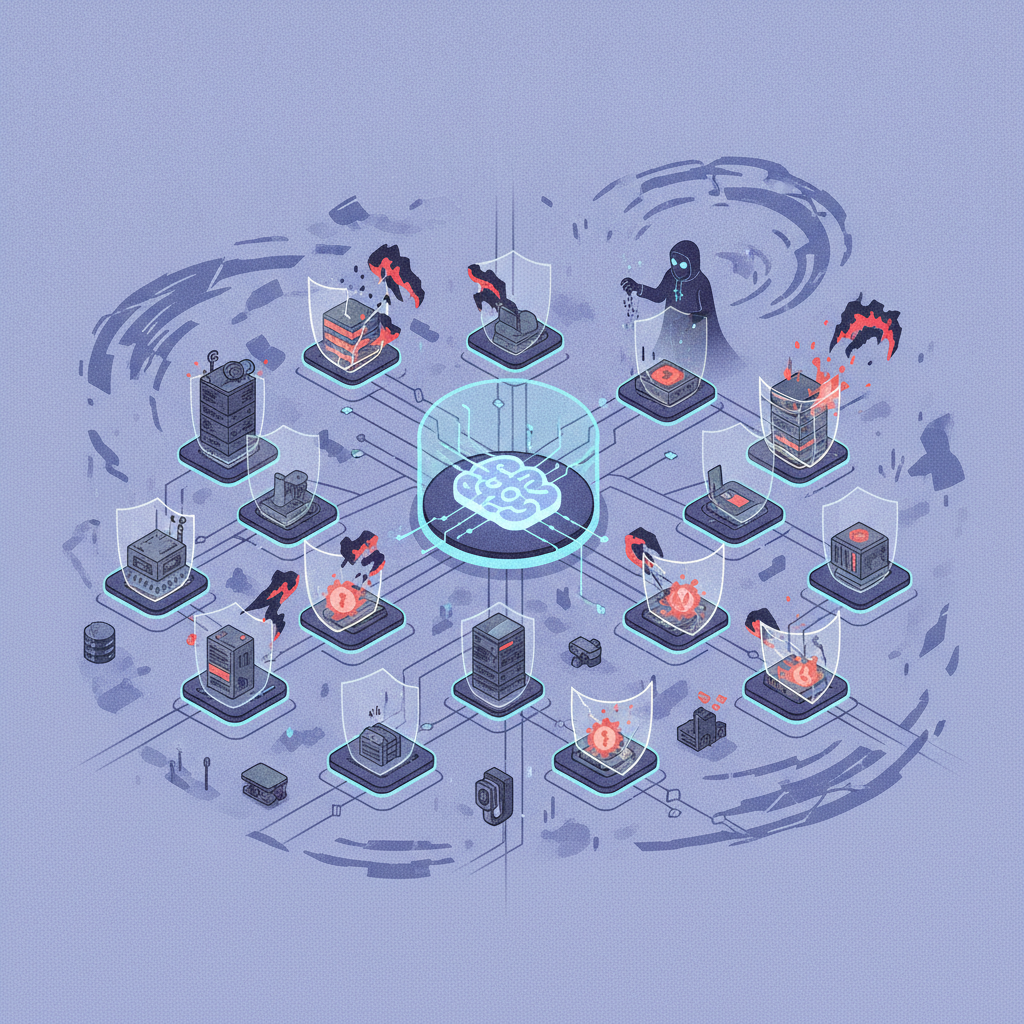
Unique security challenges for edge computing environments include the distributed nature of managing countless endpoints, resource constraints of edge devices (limited processing, memory, battery), physical vulnerabilities as devices are often in unsecured locations, heterogeneity across diverse hardware and software, complex network conditions (intermittent, low-latency), and critical data privacy and compliance considerations for local processing. Unlike traditional centralized cloud models, the edge presents a significantly broader attack surface. For example, a 2024 report by Gartner predicted that by 2028, over 75% of enterprise-generated data will be created and processed outside a traditional centralized data center or cloud, up from less than 10% in 2018.
Here are the primary security challenges:
- Distributed Nature: Edge environments involve managing potentially thousands or millions of geographically dispersed devices. This scale makes consistent security policy enforcement and threat monitoring incredibly complex.
- Resource Constraints: Many edge devices, such as IoT sensors or smart cameras, have limited processing power, memory, and battery life. These constraints often prevent the implementation of comprehensive security software, making them vulnerable.
- Physical Vulnerabilities: Edge devices are frequently deployed in unsecured or remote physical locations. They are susceptible to physical tampering, theft, or unauthorized access, which can compromise data or lead to system infiltration.
- Heterogeneity: Edge ecosystems are comprised of diverse hardware platforms, operating systems, firmware versions, and communication protocols. This variety makes uniform security management and patching extremely difficult.
- Network Complexities: Edge deployments often rely on intermittent, low-latency, and frequently wireless connections (like 5G or Wi-Fi). Securing these dynamic and less reliable networks against eavesdropping, denial-of-service attacks, and unauthorized access is a major hurdle.
- Data Privacy and Compliance: Processing sensitive data at the edge raises significant data privacy and compliance concerns. Regulations like GDPR and CCPA require careful management of data locality, consent, and protection, which becomes complex with local processing across many nodes.
Key Pillars of a Robust Edge Computing Security Strategy
A robust edge computing security framework requires strong device security (secure boot, tamper detection, firmware updates), comprehensive network security (micro-segmentation, zero trust, encrypted communication), end-to-end data security (encryption at rest/in transit/in use), secure application development (OWASP alignment), and robust Identity and Access Management (IAM) with strong authentication and role-based access control. Building trust in edge deployments hinges on a multi-layered, proactive security approach.
How do I secure edge devices effectively?
Device security at the edge involves securing the physical hardware and its software foundation. This includes implementing a hardware root of trust, which is a set of trusted functions in hardware that the rest of the system can always rely on. Secure boot ensures that only trusted software loads during startup. Regular firmware updates are crucial to patch known vulnerabilities. Furthermore, tamper detection mechanisms, such as physical seals or sensors that alert administrators if a device is opened or moved, are vital for devices in exposed locations.
What network security measures are essential for edge environments?
Network security for edge computing must address the distributed and dynamic nature of these environments. Adopting a Zero-Trust Architecture is paramount; this model operates on the principle of “never trust, always verify,” requiring strict identity verification for every person and device trying to access resources on a private network. Micro-segmentation isolates network segments to limit the lateral movement of threats. Encrypted communication, using protocols like VPNs or TLS/SSL, protects data in transit. Intrusion detection and prevention systems (IDPS) monitor network traffic for malicious activity and can block attacks in real-time.
How can data be protected throughout its lifecycle at the edge?
Data security at the edge requires end-to-end protection, from creation to deletion. This means implementing encryption for data at rest (stored on devices), in transit (moving across networks), and crucially, in use (while being processed by edge applications). Data anonymization and tokenization can further protect sensitive information, especially when it needs to be processed without revealing personally identifiable information. Robust data lifecycle management policies ensure data is stored, processed, and disposed of according to compliance requirements.
Why is application security critical for edge computing?
Application security is critical because edge applications often process sensitive data and control physical systems. Following guidelines like those from OWASP (Open Worldwide Application Security Project) ensures secure coding practices, reducing vulnerabilities in custom applications. Regular dependency checks are essential, as third-party libraries and components can introduce security flaws. For instance, according to Synopsys, over 90% of applications contain open-source components, many with known vulnerabilities. 360Locker specifically integrates OWASP-aligned reviews and dependency checks into all its web and app development projects, extending this security-first approach to edge applications.
What role does Identity and Access Management (IAM) play at the edge?
Identity and Access Management (IAM) is fundamental for controlling who and what can access edge resources. Strong authentication mechanisms, including multi-factor authentication (MFA), prevent unauthorized access. Role-based access control (RBAC) ensures that users and devices only have the minimum necessary permissions to perform their functions, adhering to the principle of least privilege. Managing identities across a vast, distributed edge environment requires sophisticated IAM solutions that can scale and integrate with existing enterprise directories.
Emerging Technologies Fortifying Edge Security by 2026
Emerging technologies will significantly fortify edge security: AI/ML will enable proactive anomaly detection and threat identification at the edge; blockchain can provide immutable trust for data integrity and device identity; and quantum-resistant cryptography will prepare against future threats to current encryption standards, ensuring long-term data protection. These innovations are reshaping the landscape of edge computing security as of 2026.
- AI/ML for Anomaly Detection: Artificial intelligence and machine learning are increasingly used to analyze vast amounts of data generated at the edge. They can identify unusual patterns or behaviors that indicate a cyberattack or system compromise far faster than human operators. This proactive threat identification helps in isolating and mitigating issues before they cause significant damage.
- Blockchain for Immutable Trust: Blockchain technology offers a decentralized and immutable ledger, ideal for enhancing data integrity and device identity at the edge. It can create tamper-proof records of device identities, firmware updates, and data transactions. This makes it difficult for attackers to spoof devices or alter data without detection.
- Quantum-Resistant Cryptography: As quantum computing advances, current encryption standards may become vulnerable. Quantum-resistant cryptography, also known as post-quantum cryptography, is under development to protect data against future quantum attacks. Implementing these new cryptographic algorithms on edge devices will be crucial for long-term data security, especially for sensitive information.
- Automated Security Orchestration and Response (SOAR): SOAR platforms automate security operations, from threat detection and incident response to vulnerability management. At the edge, SOAR can rapidly aggregate security alerts from distributed devices and orchestrate automated responses, such as isolating a compromised device or blocking malicious traffic, significantly reducing response times.
- Confidential Computing: This innovative technology secures data in use. Confidential computing performs computation in a hardware-based, verified trusted execution environment (TEE), which protects data even from the cloud provider or operating system. This is especially vital for sensitive data processing at the edge, where physical access risks are higher.
Best Practices for Implementing Edge Security with Trust
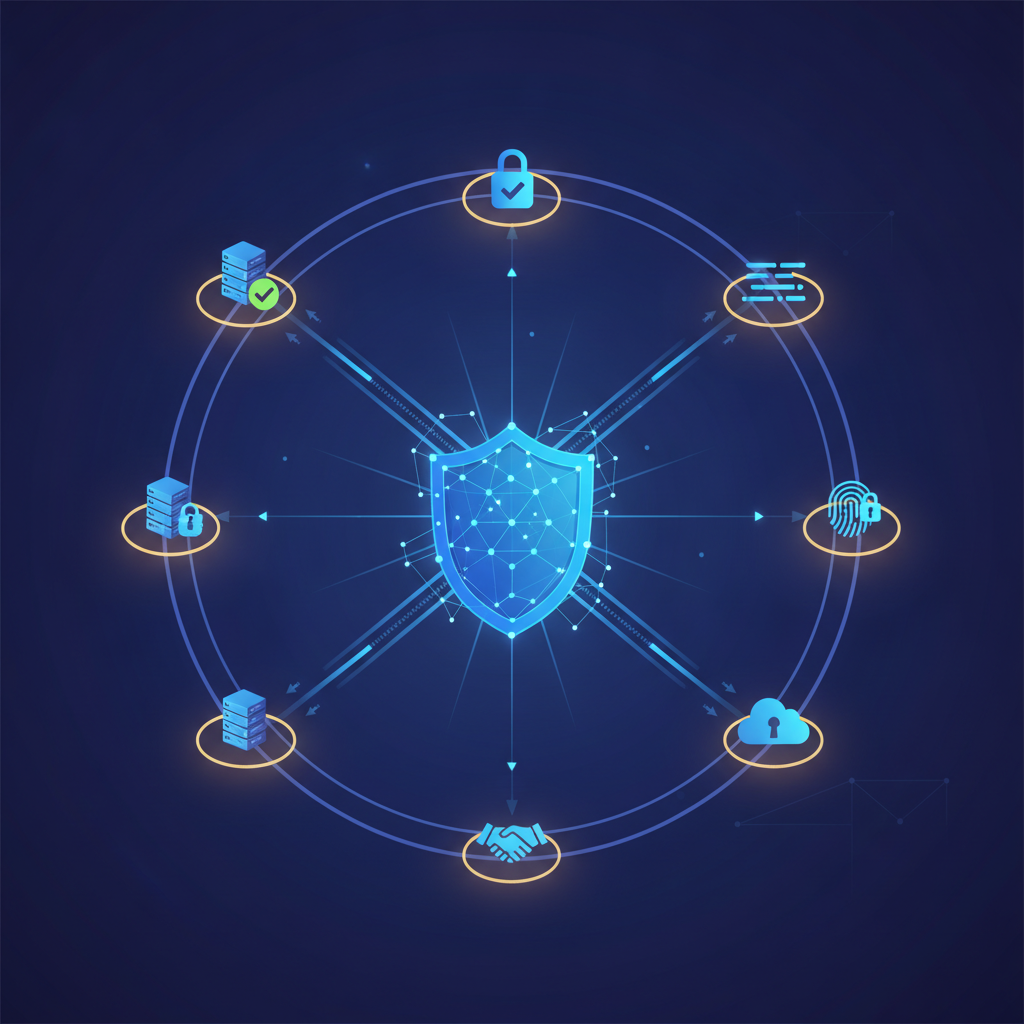
Implementing strong edge computing security requires a commitment to proactive measures and continuous improvement. Organizations must embed security into every stage of their edge initiatives to build and maintain trust.
How do I build security into edge solutions from the start?
Adopting a ‘Security by Design’ philosophy is paramount. This means integrating security considerations from the initial concept and design phase, rather than adding them as an afterthought. For example, threat modeling should be conducted early to identify potential vulnerabilities before development begins. This approach saves significant costs and effort compared to fixing security flaws post-deployment. According to IBM, the cost to fix a security flaw found during the design phase is about 6 times less than fixing it after deployment.
What ongoing measures are needed for continuous edge security?
Regular security audits, vulnerability assessments, and penetration testing are essential for continuously identifying and addressing weaknesses in edge deployments. These proactive checks help uncover new attack vectors as the threat landscape evolves. Furthermore, comprehensive monitoring, logging, and robust incident response plans are critical. Organizations need 24/7 monitoring capabilities to detect anomalies and respond swiftly to any security incidents across their distributed edge infrastructure.
How do I choose secure partners for edge computing?
Vendor selection is a critical decision. Prioritize partners with proven security expertise and transparent practices. Look for certifications, adherence to industry standards, and a clear track record of addressing security challenges. For instance, working with a digital agency like 360Locker, which has a “Locked in Trust” tagline and core security services, ensures that security is baked into every aspect, from development to hosting.
What is the importance of compliance for edge security?
Compliance adherence is non-negotiable. Edge solutions must meet relevant industry standards (e.g., ISO 27001) and regulatory requirements (e.g., GDPR, CCPA, HIPAA). This ensures legal protection, avoids hefty penalties, and builds customer trust. For example, a single GDPR violation can result in fines up to €20 million or 4% of annual global turnover.
How 360Locker Secures Your Edge Computing Initiatives
360Locker mitigates edge computing security risks by applying its ‘Locked in Trust’ philosophy, emphasizing security-first development with OWASP-aligned reviews for custom applications, secure hosting on encrypted infrastructure for edge backends, and providing 24/7 support, backups, and monitoring crucial for distributed edge environments. Security is core to every build at 360Locker, extending its expertise to new paradigms like edge computing.
At 360Locker, our “Locked in Trust” philosophy underpins every service, ensuring that your digital infrastructure, including emerging edge deployments, is protected. We understand that businesses and startups need secure, scalable, and affordable solutions.
- Security-First Development: For custom applications and platforms that power your edge operations, we conduct OWASP-aligned reviews, perform rigorous dependency checks, and implement infrastructure hardening. This proactive approach minimizes vulnerabilities from the ground up, crucial for the expansive attack surface of edge environments.
- Secure Hosting and Domains: Your edge computing backends and management systems require robust, encrypted infrastructure. 360Locker provides 99.9% uptime and encrypted hosting solutions, ensuring that the central nervous system of your edge deployment is resilient against cyber threats.
- 24/7 Support, Backups, and Monitoring: Distributed edge environments demand constant vigilance. Our round-the-clock support, comprehensive backup solutions, and continuous monitoring are essential for rapid incident response and maintaining operational integrity, even across geographically dispersed devices.
- Scalable and Affordable Solutions: We empower over 500 clients by delivering secure, high-quality services without compromising affordability. This means businesses can confidently deploy edge computing solutions, knowing they are backed by expert security practices.
Our commitment is to build secure digital foundations, ensuring that as you embrace the power of edge computing, your data, devices, and operations remain safe and reliable.
Conclusion: Securing Tomorrow’s Network Frontier Today
Edge computing is not just a trend; it is the inevitable future of distributed data processing, bringing immense benefits in speed, efficiency, and innovation. However, these benefits come with a significant expansion of the cybersecurity threat landscape. The critical importance of a proactive, multi-layered edge computing security approach cannot be overstated.
As we move through 2026 and beyond, organizations must prioritize security by design, leverage emerging technologies like AI and blockchain, and establish robust incident response frameworks. By doing so, they can navigate the complexities of the edge securely, protecting valuable data and maintaining operational integrity. 360Locker is committed to building secure digital foundations for this future, providing the expertise and services needed to lock in trust for your edge computing initiatives. Partner with 360Locker to ensure your edge deployments are secure, scalable, and resilient.
Frequently Asked Questions
What is edge computing and why is its security a growing concern?
Edge computing processes data closer to its source, rather than in a centralized cloud. Its security is a growing concern because it expands the attack surface, introduces numerous resource-constrained and physically vulnerable devices, and requires securing complex, distributed environments.
What are the primary security challenges unique to edge computing environments?
Primary challenges include the distributed nature of countless endpoints, resource constraints of edge devices, physical vulnerabilities in unsecured locations, heterogeneity of hardware/software, complex network conditions, and ensuring data privacy and compliance with local processing.
How do traditional cybersecurity strategies need to adapt for the edge?
Traditional strategies must adapt by embracing distributed security models, focusing on hardware-level trust, micro-segmentation, and zero-trust principles, and leveraging automation and AI for real-time threat detection and response across a vast, diverse attack surface.
What role will emerging technologies like AI, blockchain, and quantum computing play in future edge security?
AI/ML will enable proactive anomaly detection, blockchain can ensure immutable data integrity and device identity, and quantum-resistant cryptography will protect against future threats to current encryption standards, all enhancing edge security by 2026 and beyond.
What are the essential components of a robust edge computing security framework?
Essential components include strong device security (secure boot, tamper detection), network security (micro-segmentation, zero trust), end-to-end data encryption, secure application development, and robust Identity and Access Management (IAM) with MFA and RBAC.
How can businesses ensure data privacy and compliance at the edge?
Businesses can ensure data privacy and compliance by implementing end-to-end encryption, data anonymization, strict data lifecycle management, and adhering to regulations like GDPR and CCPA through secure local processing and data governance policies.